The Delta Paradox: The Nation That Won an Ocean It Cannot Reach
Why is a nation with one of the world's largest untapped offshore gas reserves facing rolling blackouts and rising poverty?
By EarthlyIQ Editorial
November 9, 2026 · 5 min read
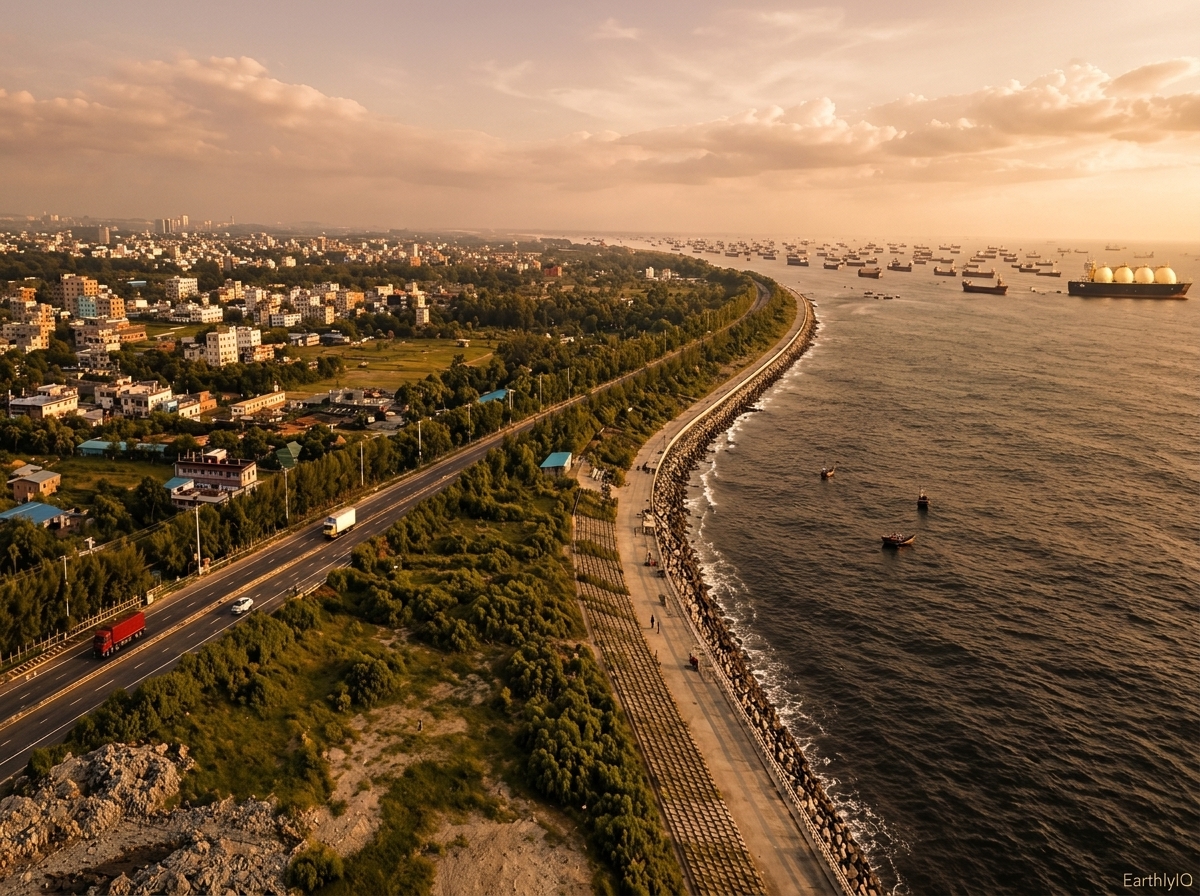
The lights go out in Dhaka, and the heat rushes in.
In the sprawling garment factories that stitch together the global fast fashion economy, the sewing machines whine to a halt. In the apartment blocks, air conditioners sputter and die, leaving millions of people to sit in the suffocating humidity of the Bengal Delta.
This is the reality of a power crisis. But here is the geographical irony: just a few hundred kilometers south of those dark, sweltering streets, beneath the churning waves of the Bay of Bengal, sits an underwater empire of untapped natural gas.
In 2012, after years of bitter legal fighting, Bangladesh won a monumental victory at an international tribunal in Hamburg. The maps were redrawn. Bangladesh was awarded a massive Exclusive Economic Zone stretching out into the Indian Ocean. On paper, the country had finally secured the resources to power its future.
But maps are flat, and the Bay of Bengal is not.
The lawyers in Hamburg drew lines on a map. But they could not flatten the seabed or stop the monsoons.
The Physics of the Abyss
To understand why a country with vast energy reserves is currently importing gas from Qatar at premium prices, you have to look at the physical geography of the ocean floor.
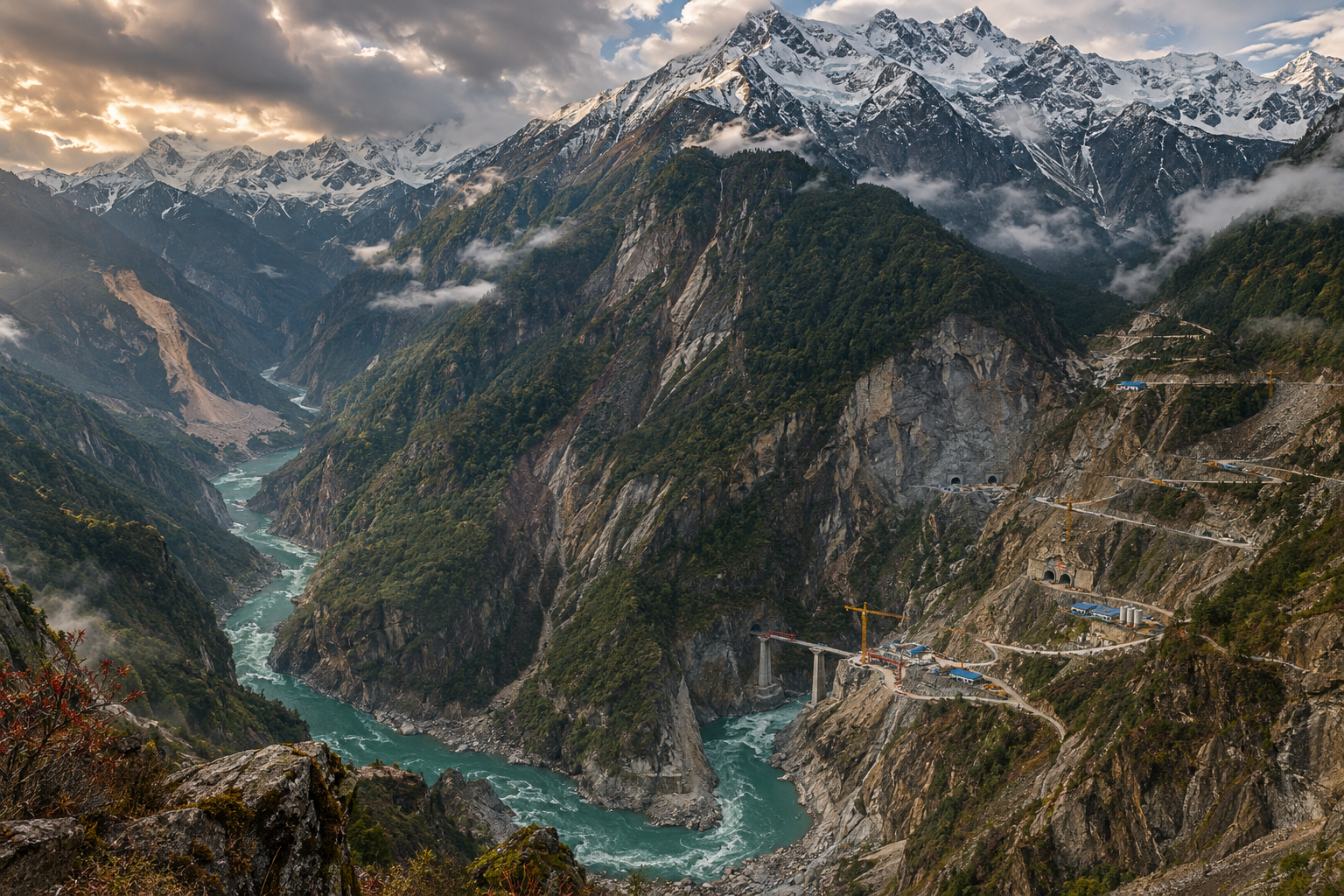
The Bay of Bengal is not a gentle, shallow basin. Off the coast of Bangladesh, the continental shelf drops away abruptly into the Bengal Fan, the largest submarine fan on Earth. The water plunges to depths of over 2,000 meters. The seabed is not solid rock. It is a constantly shifting, unstable mass of sediment washed down from the Himalayas by the Ganges and Brahmaputra rivers.
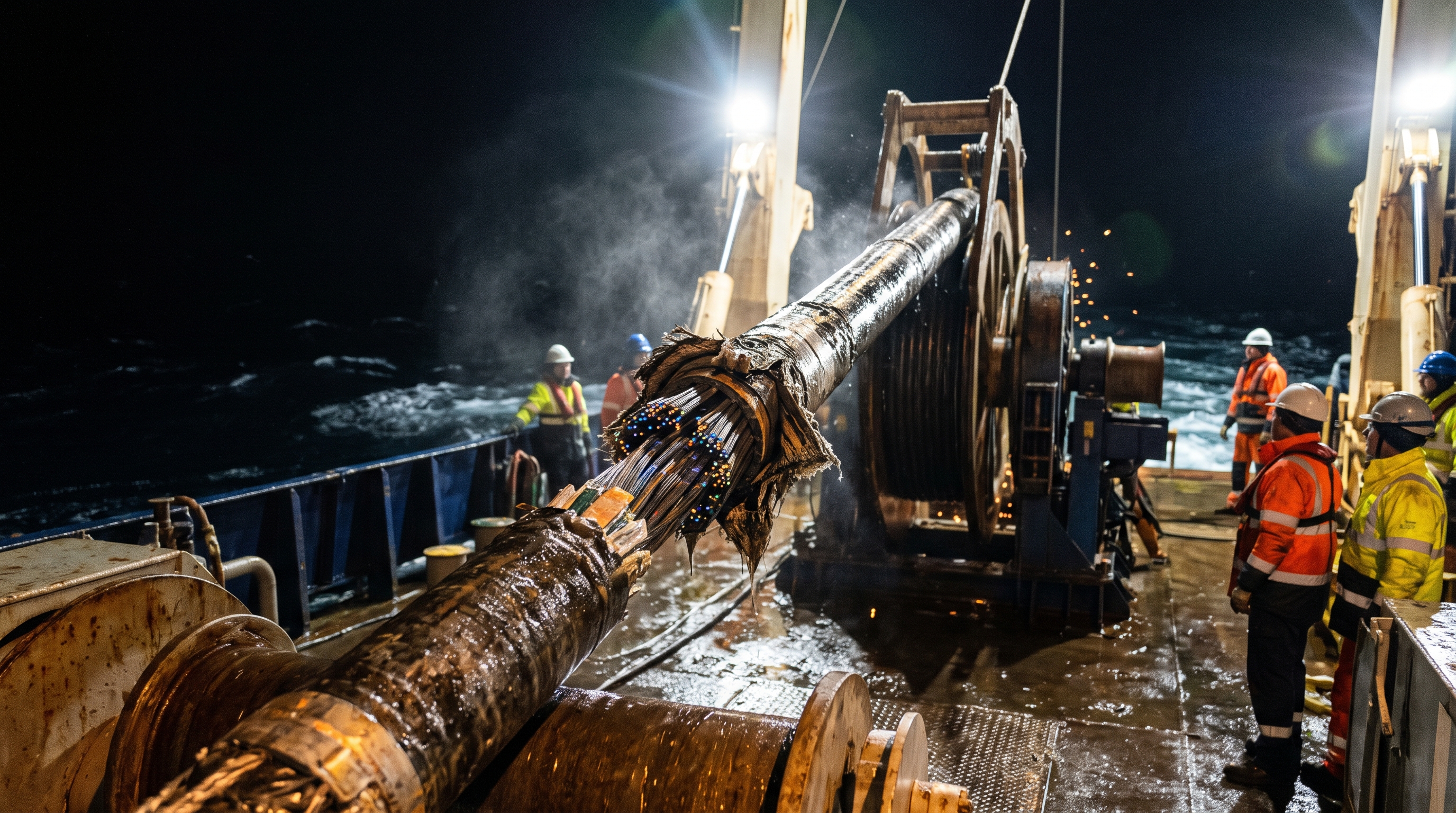
Extracting gas from this environment is an engineering nightmare. It requires semi-submersible rigs capable of withstanding violent monsoons and cyclones that churn the bay for months out of the year. It requires deep-water pipelines and billions of dollars in capital.
When Bangladesh offered licenses to international oil companies to explore these deep-water blocks, the global giants largely walked away. The physical geography was too hostile, the financial risk too high, and the price the Bangladeshi government was willing to pay for the gas too low.
The Cost of the Blackout
The tragedy of the Bay of Bengal is that the resource is not the only thing trapped by physics and economics. The people are, too.
We are trained to think of natural resources as a shortcut to wealth. We picture Gulf states with sprawling skylines and sovereign wealth funds. But Bangladesh reveals a different truth. In the 2025-26 fiscal year, the country’s national poverty rate rose to 22.5%, up from 18.7% just two years prior. That means an additional 2.1 million people fell below the poverty line.
When the gas runs out, or when the government can no longer afford to import it, the poorest suffer first. The gas crisis has forced urea fertilizer plants to shut down or cut output, directly threatening food security for millions of subsistence farmers. Factories in industrial belts like Gazipur operate below capacity, slashing the incomes of garment workers who are already living on the edge. Many rural families have been forced to abandon gas entirely, returning to wood-burning stoves.
The gas isn't being hoarded by a dictator; it is being burned to keep a fragile economy alive.
The gas is not being exported to buy yachts. It is being burned to keep a fragile economy from collapsing.
The Fifty-to-One Gap
The cruelest part of the Delta Paradox is that it didn't have to be this way.
Bangladesh sits on offshore reserves that, if extracted, could fundamentally transform the nation. A functioning offshore gas industry would power the garment sector, secure domestic food production, and free up billions of dollars in foreign currency. The World Bank and international energy analysts have repeatedly noted that with proper governance, domestic gas could be the engine of generational poverty reduction.
Instead, the country is caught in a cycle of short-term survival. For the 2025-26 fiscal year, the state-owned energy company, Petrobangla, set aside roughly 580 billion Taka to import Liquefied Natural Gas.
The budget for finding and extracting domestic gas? Roughly 11 billion Taka.
A 50-to-1 spending gap. The government is paying a massive premium to buy energy from the global market, while practically starving the agency responsible for finding the gas in its own waters. The 2024 offshore bidding round ended in complete failure, drawing zero final bids from major international players like ExxonMobil because the government refused to offer a pricing formula that made the deep-water risk worthwhile.
The government is spending fifty times more to buy energy from abroad than it is willing to spend finding its own.
The Sinking Map
There is a final, brutal layer to this geography: time.
The same coastal regions where deep-water extraction infrastructure must be built are the exact regions most vulnerable to climate change. The Bengal Delta is sinking. Sea levels are rising, and cyclones are becoming more violent. The physical map of the coastline is redrawing itself in real time, swallowing the land from beneath the country's feet.
Bangladesh is caught in a vise between the deep, inaccessible geology of its ocean and the rising, unstable geology of its land.
The deep water of the Bay of Bengal does not care about the 2012 tribunal ruling. It does not care about the legal boundary lines drawn in Hamburg.
The future of Bangladesh will not be determined by who owns the legal rights to the gas beneath the sea, but by whether the country can summon the governance to build the rigs to reach it, and whether it can keep the lights on long enough to survive.
A map of the Bay of Bengal shows a wealthy nation. The physical reality shows a nation on the frontlines, trying to reach wealth that the geography, and its own leaders, refuse to give up.
Share this story
The Map Room
One story about maps, places, power, and the forces shaping our world, every other Tuesday.
Free. No spam. Unsubscribe anytime.